Remembering Trilobites: A 270 Million Year Saga

One of the most successful dynasties in all of Earth’s history is one not filled with serrated teeth, scales, or towering giant reptiles, but with unassuming little sea-bugs.

Trilobites are one of the most well-known groups of animals in the fossil record. This is because of their huge diversity, longevity, and because their shells are made of minerals, making them easily fossilized. They lived for 270 million years, a timescale far beyond our comprehension, and over 22,000 species are known. Today, we’ll be talking about the long history of these animals, what led to their slow downfall, and the many things that we learn from them to help us.

Rise and Fall of a Dynasty
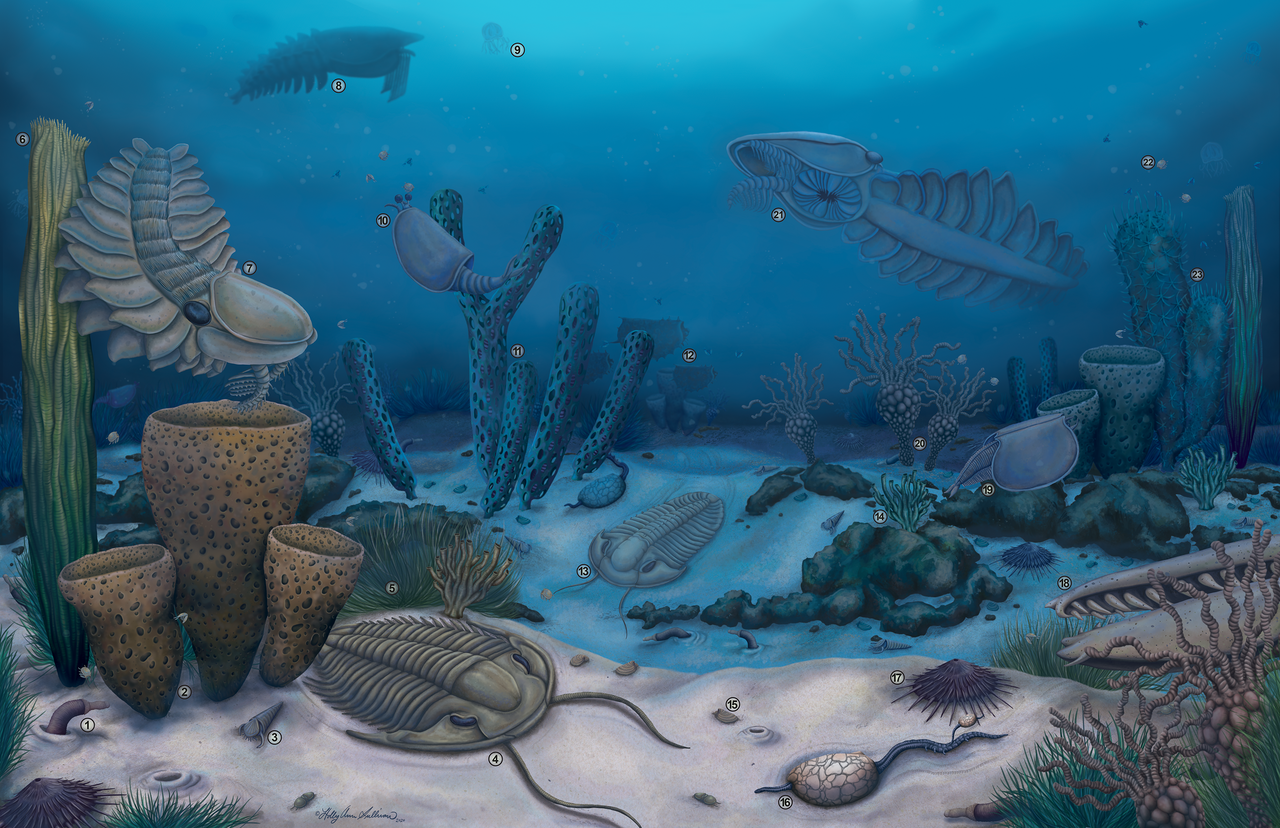
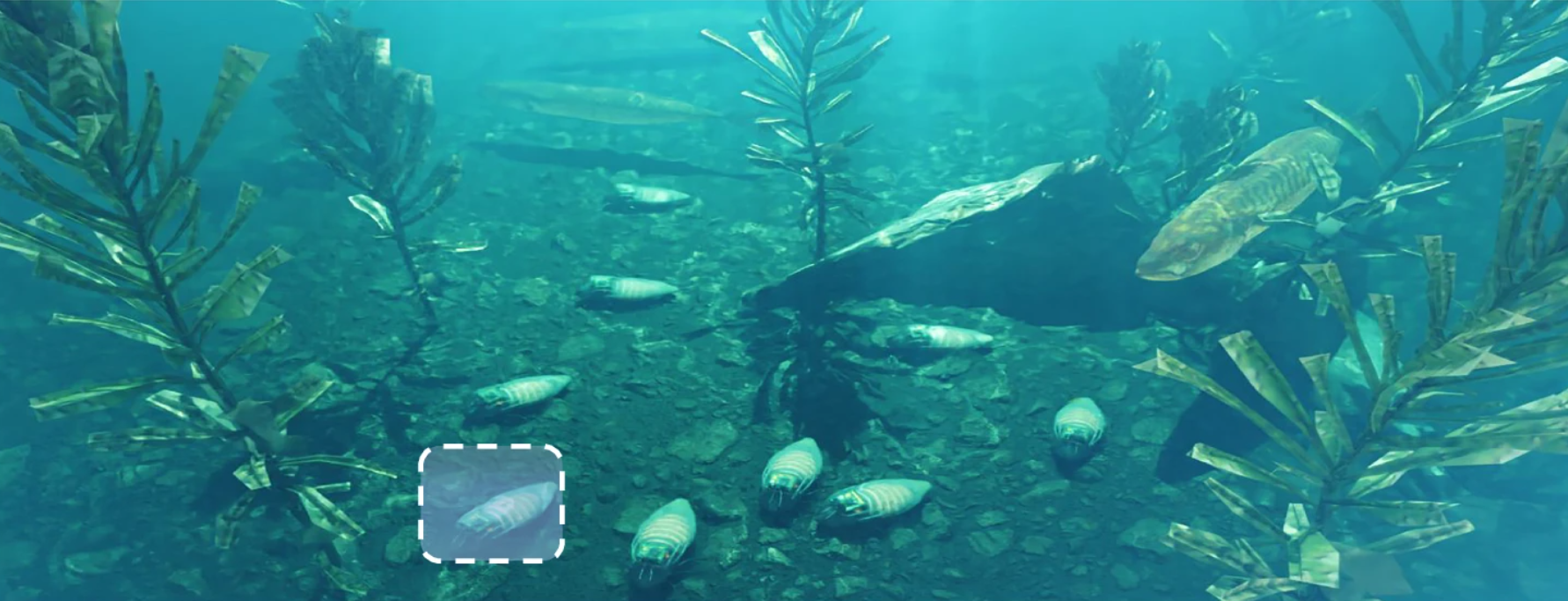
Trilobites diversified in the Cambrian Period, as depicted in this reconstruction with various other Cambrian animals.

Image credit: Holly Sullivan, CC BY 4.0

Trilobites first appeared in the Cambrian Explosion over 538 million years ago, one of the most influential events in Earth’s history [1]. This is the time in the fossil record when complex animal life kickstarted its diversity, and large-scale ecosystems spread across the oceans.

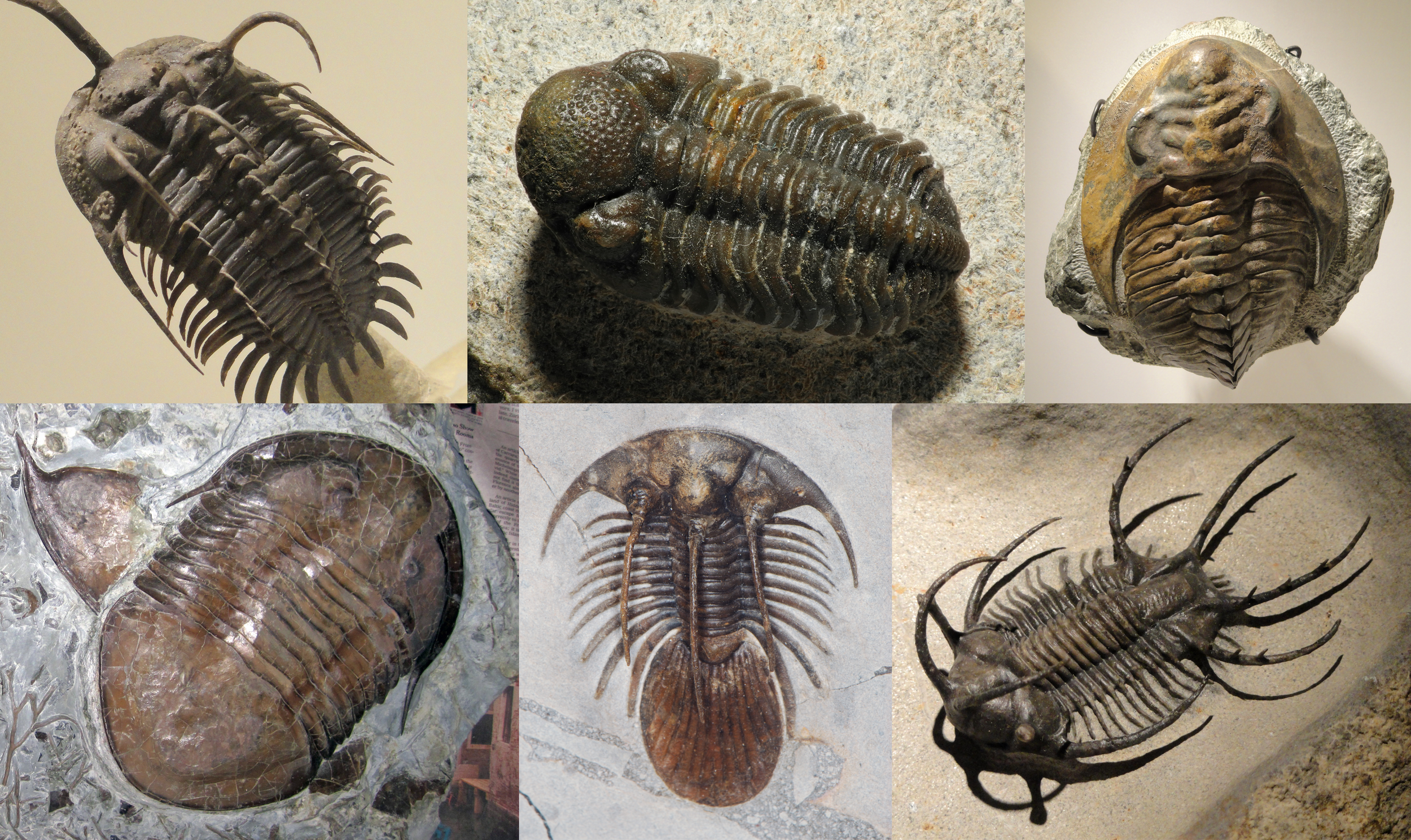
During the Cambrian, trilobites were mostly benthic (living on the bottom of the seabed), but in the following time periods, they diversified into many other niches. Their shells developed elaborate structures like horns, rays, ribs, and other fascinating patterns. Some swam freely in the open ocean, and some even became planktonic [1]. There were so many variations that this blog would be unreasonably long if we discussed many of them in detail.

Unfortunately, their diversity became limited during the latter half of their time on Earth due to several large geologic events, such as a major ice age. The nail in the coffin came from the Permian Mass Extinction, also known as the Great Dying. This was the most catastrophic extinction event in prehistory, and they were unfortunate enough to be a part of it [1]. And so, the age of the Trilobites finally came to an end. However, their legacy remains in their fossils, and they still help us today.

Mummified Time Capsules

Trilobites were so common in the time periods that they lived in that they are used by geologists as Index Fossils. If geologists are surveying a rock formation and they find a trilobite fossil, they can immediately know that the rock formation is dated to one of the periods that trilobites lived in, saving a lot of time [2].

Bug-Eyed Cameras

The eyes of trilobites are very unique and some of the most studied of any extinct animal. Their eyes, like other parts of their bodies, were made of minerals, which allowed them to be exceptionally well-preserved as fossils.
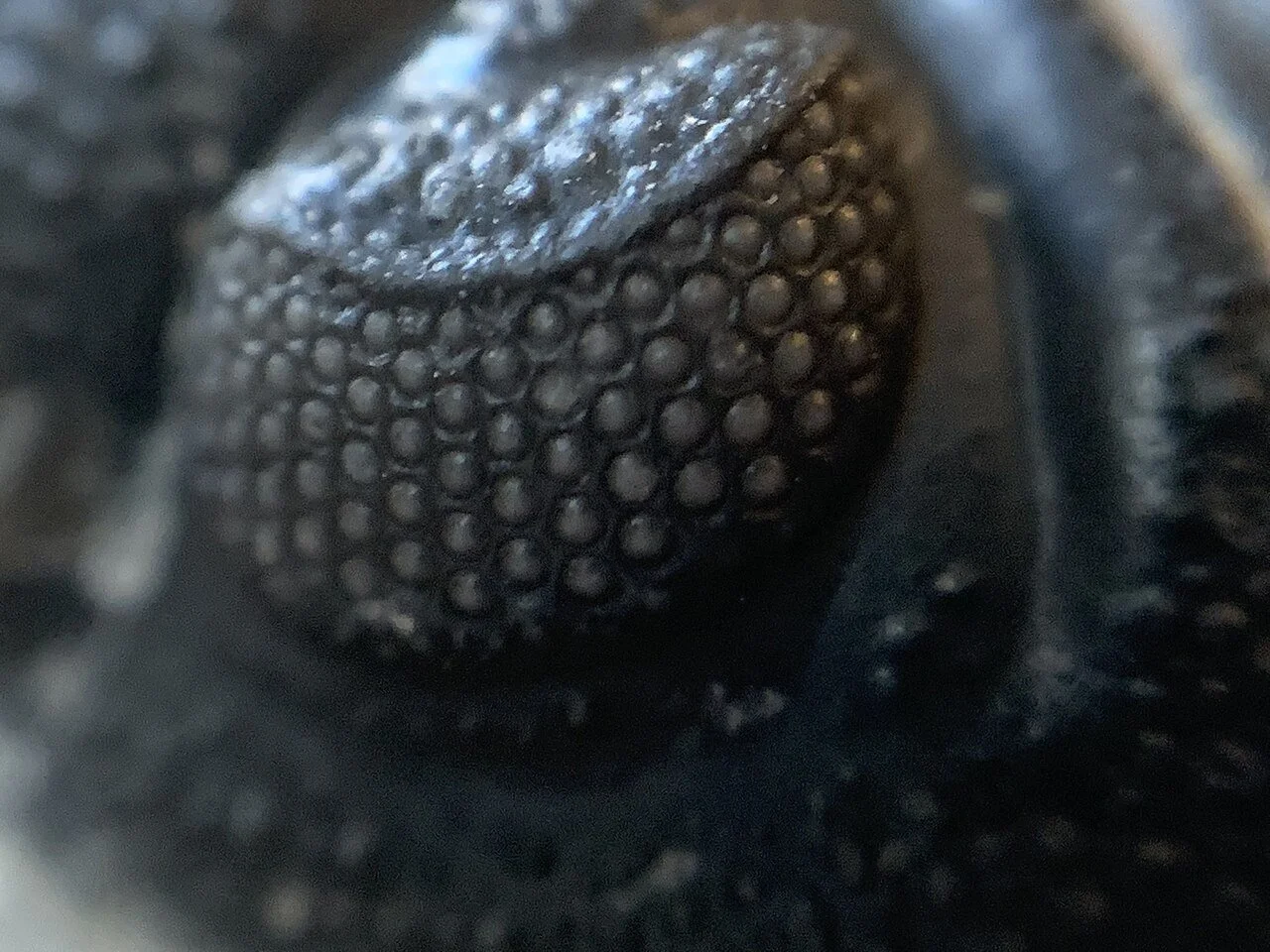
The Compound Eye of a Trilobite, made of many individual calcite lenses.

Image credit: RealGatba, CC BY-SA 4.0

One species had eyes that were remarkably well-suited for viewing objects at close and far distances at the same time [3]. A paper published in Nature Communications in 2022 detailed how the eyes of trilobites were used to design a bifocal lens capable of recording depth-of-field from a range of centimeters all the way up to kilometers, an extraordinary feat of biotechnology. It’s quite probable that trilobites will help advance the future of imaging systems [3].

Warnings from the Dead

The fact that such an enormous and successful group of animals vanished from the face of the Earth reminds us to be mindful of both our own longevity and how quickly things can turn in our lives. Even in death, these little spiky sea Roomba’s teach us to be grateful for every day we have and to leave a legacy for the next generation to remember.

Living with Fangs: Cool Facts About House Spiders with Travis McEnery

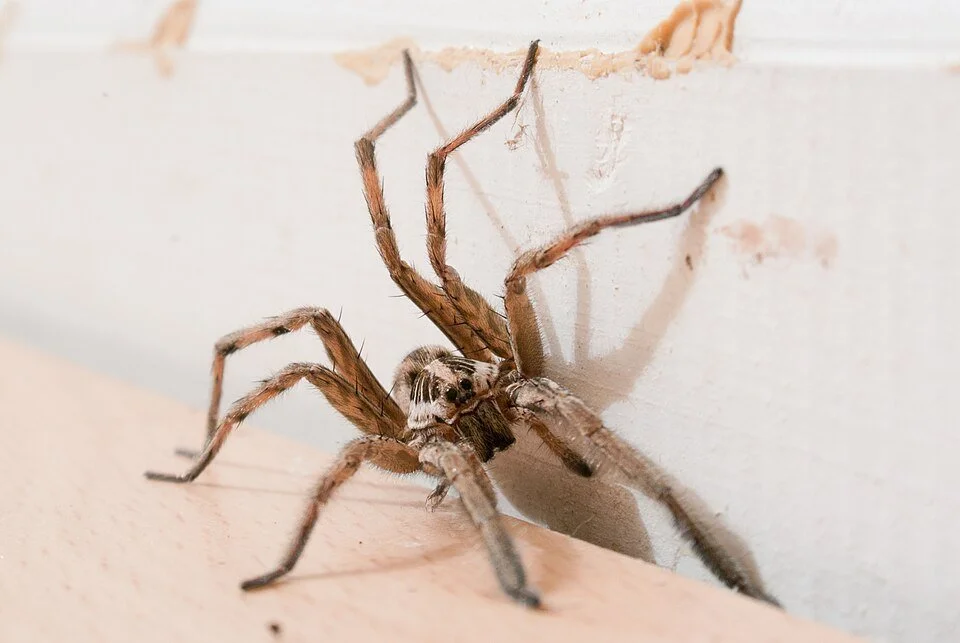
If you’ve lived in a home for any extended period of time, chances are you’ve seen a house spider hanging around. Maybe you’re terrified of them, maybe you’re fascinated by them, or maybe a little bit of both. Either way, house spiders are surprisingly complex and wonderful little critters, and perhaps are even beneficial to us to keep around.

To explore more about these 8-legged roommates, I’ve invited spider enthusiast and YouTube educator Travis McEnery to share some of his vast knowledge about house spider ecology and how they might even benefit us.

Why do some species of spider prefer to live inside homes as opposed to the wild?

“This is a bit hard to say, but I think it's just conditions that happen to be particularly compatible with a spider's ecology. Cellar spiders prefer a particular geometry for their webs, and human structures just happen to provide that geometry… a LOT. Also, the life cycle is important; in some spiders, like many orb weavers, the eggs will not mature and hatch UNLESS they go through a cold cycle like a winter outside.

“For synanthropic [lives near humans] spiders like cellar spiders and giant house spiders, this isn't necessary. So it's sort of a "lucky" combination of factors.”

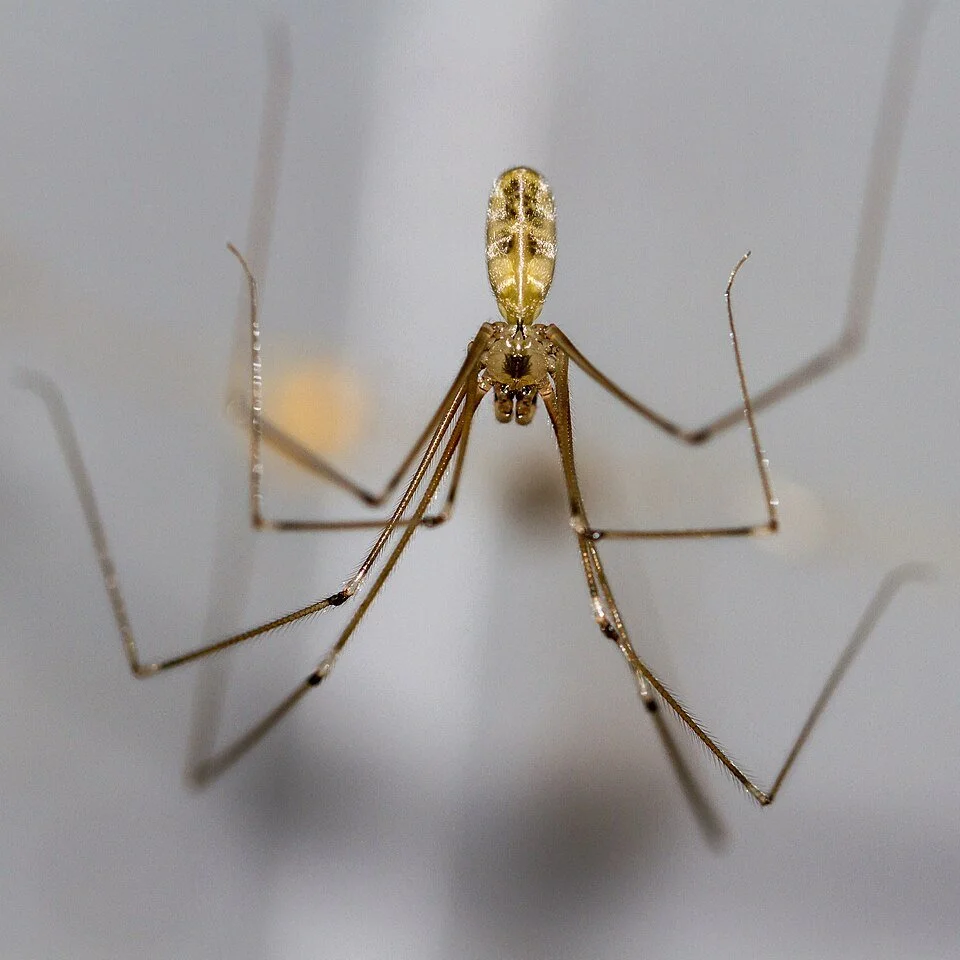
Pholcus by Nikk from Peterborough, UK, CC BY 2.0

Cellar spiders (genus Pholcus) are one of the more common house spider species, and their long-legged, spindly appearance often gives them the nickname “daddy longlegs,” despite not being related to true daddy longlegs (harvestmen), which aren’t spiders at all. They are harmless to humans, and as Travis mentioned, they like the geometry of our homes to live in. They’re not out to get you!

How Effective Are Spiders at Pest Control?

“I don't know if anyone has ever actually gathered solid data on this, to be honest, but I suspect they're quite effective. There was a paper in the 50's about the use of a social spider as a fly control agent in houses in South Africa, which found they were tremendously effective. Anecdotally speaking, when I look under the webs that the cobweb weavers have made in my basement windows, I usually see a lot of prey remains under them. Those spiders are acting as gatekeepers at those windows, which are almost always a point of entry in homes for insects. I suspect not a lot gets past them. (Here's a link to that paper from South Africa).

It’s quite interesting that not a lot of modern official research has been done on this topic, especially since lots of anecdotal evidence, like how Travis describes, has been seen. Hopefully, as time goes on, we’ll see more research being done on this.

Which species of common North American house spider(s) would potentially be the best pest control species to keep around?

“This really depends on who lives in the house and how tolerant they are of various elements of spider ecology. When I talk about spiders that occur indoors a lot, I often mention the three factors of house spider politeness: webs, movement, and biteyness. If you don't mind some cobwebs in the corners here and there, then cellar spiders are great. Most of the time they stay put in their webs.

“If you don't like cobwebs, but you don't mind being surprised by a fast moving spider that suddenly appears out of nowhere, then Eastern Parson spiders are fantastic. They make no webs, but they're quick and can startle people sometimes.

“Giant house spiders are sort of a mix - females will stay put in their webs, which will usually be in some out-of-the-way corner, but males, especially in the fall, will go for walks looking for those females, so they'll turn up unexpectedly, are very large, and very fast. So they can startle, but they're fairly tidy.

“False widows will make cobwebs, but usually out of sight - under furniture, behind boxes, places like that, and they'll generally stay there, so they won't surprise you.

“None of these are prone to biting people. So it really depends on the person. If you hate cobwebs, then the fast-running ground spiders are best, but if you'd rather put up with the cobweb and know where the spider's gonna be, then cellar spiders and false widows are better.”

How can we do our part to help house spider populations in our every day lives?

If one were looking to help out the spiders in their own house, the number one killer of house spiders is probably dehydration. I know some people who actually leave little bottle caps or other dishes around with water in them for the spiders. Many spiders will drink from a cotton swab if you soak it in water and hold it out to them. Other than that, being aware of their webs when cleaning, giving them the opportunity to take cover when you're vacuuming, that kind of thing is helpful.

“Also, combating misinformation about spiders is HUGE. Helping people understand them instead of buying into all the fearmongering about them goes a long way.”

I’d like to thank Travis McEnery for providing his very insightful responses. I personally learned a lot more than I expected, and it goes to show that asking questions and being curious about things will leave you with some more knowledge and understanding.

Spiders in general have a fearful reputation among many people, but as we’ve learned today, the ones that reside in our homes mostly just want to mind their own business. If we can learn to spare some grace and understanding to the most humble of creatures, we will be able to handle the confusing challenges of life.

Share your thoughts in the comments!

Featured image by Ivan Radic, CC BY 2.0

You've bear-ly heard of the benefits of bears

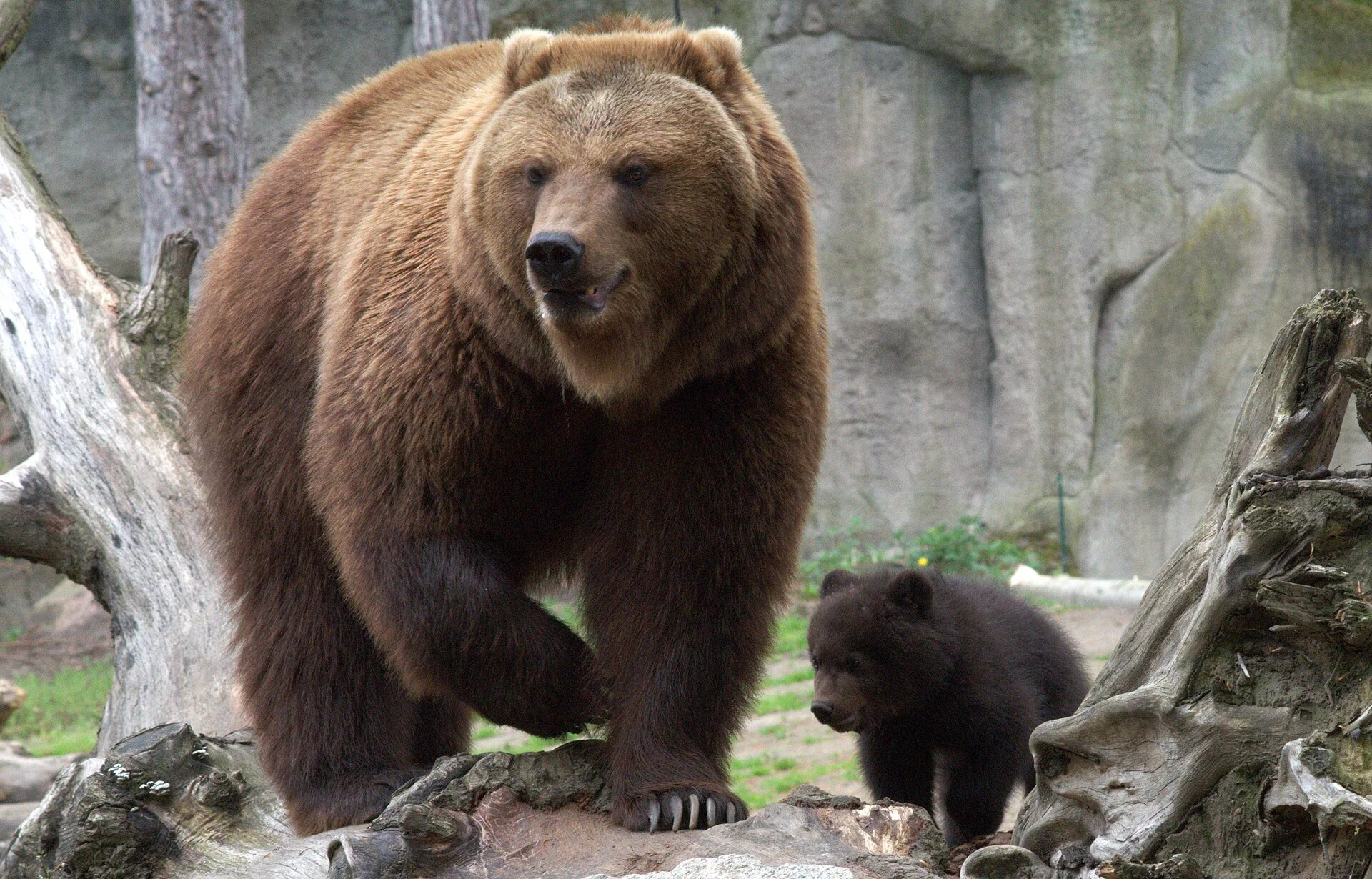
Bears are some of the most recognizable animals across the world. Coming in a variety of shapes and sizes, from sleepy panda bears to colossal polar bears.

Some people think they’re cute and cuddly forest giants; others think they’re the most terrifying beasts on the planet. Of course, like most things in life, reality is usually in between two extremes and nuanced.

Bears are a big part of the ecosystems they inhabit, and today, we’ll be talking about a new scientific article that looks into how bears contribute to the environment and to us, from engineering entire landscapes to being the face of conservation.

Bears are unintentional engineers

This year, a comprehensive scientific review compiled 146 studies detailing the ecosystem services that bears provide, and what they found was that bears (mostly brown and black bears) are extremely proficient at spreading seeds, particularly edible fruit and nut seeds. The bears eat some fruit or nuts, and the indigestible seeds pass through the bears’ digestive system, where they are eventually pooped out in a new, random location, with a fresh piece of fertilizer to boost their growth as well.

Asian black bears can disperse seeds up to 749 meters away from the plant that they ate from. All of this means that if you go on a hike in a place within a bear species’ geographic range and you see a nice edible fruit bush, there’s a real chance that bush was planted by a bear!

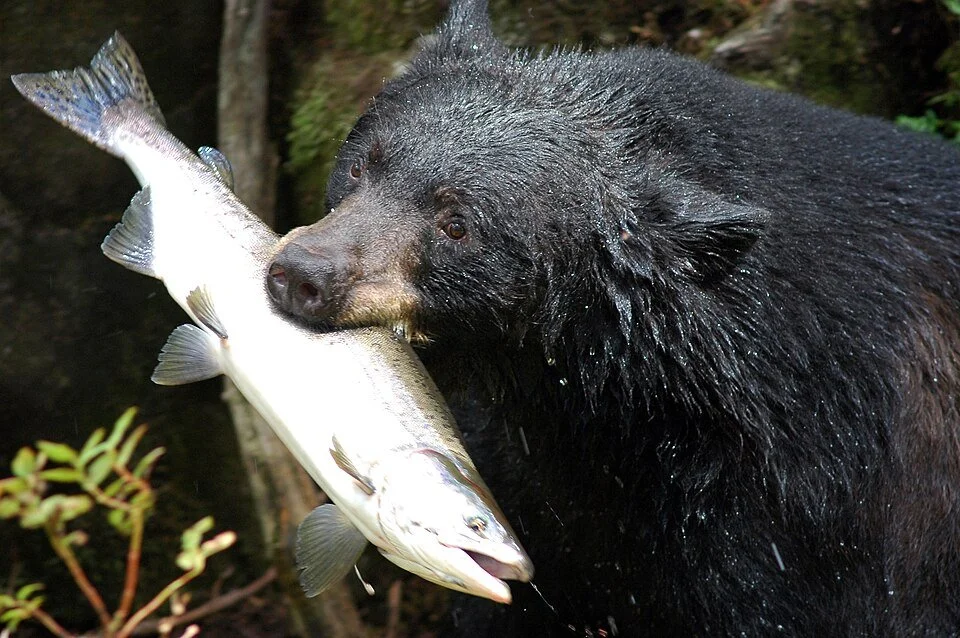
Black bear enjoying a salmon! Bears feeding on migrating salmon allows nutrients from the ocean to be brought onto land.

Image: Public Domain

Some bear species and populations also eat a lot of meat, which means they regulate the populations of their prey. The study details that in some areas of North America and Northern Europe, bears help maintain moose, elk, and reindeer populations.

Also, bears engineer their own ecosystems. By tearing tree bark and foraging, they create small environments that other animals like insects and birds can capitalize on. They even affect soil quality by eating salmon that come from the ocean, which brings new nutrients onto land that would ordinarily be inaccessible to the ecosystem.

How are bears important to us?

The scientific review doesn’t just highlight the ecological impacts of bears, but also the impacts they have on us. For starters, bears influence tourism and recreational outdoor activities. Yellowstone National Park is known for its bear population, and it’s a huge tourist attraction. Bears are also important to hunters across the world, whether it be for meat or recreation.

Perhaps the largest current impact that bears have for us is that they are a flagship animal for conservation. Giant Pandas in particular are the “global emblem of conservation” and one of the most influential animals in the world for endangered species awareness.

Bears for medicine?

Bears can even be helpful for medicinal research. When American black bears go into hibernation, their bone formation isn’t impaired, despite moving their bodies very little for months at a time.

Further research on how bears keep their bones healthy during this sedentary part of their lives could help with research on disuse osteoporosis, the bone condition that affects us humans after a long period of immobilization.

Beware of Bear

In conclusion, bears do a lot more for the world than one might expect at first glance.

Of course, wild animals are still wild animals, and it doesn’t hurt to be aware of the consequences that living around them can have. Bears can attack livestock or damage property, and you definitely don’t want to startle one if you’re on a hiking trip.

By learning about these animals and how to keep ourselves safe, we can also learn to coexist with them.

Let us know what you think in the comments!

Read the full paper here: https://www.sciencedirect.com/science/article/pii/S2212041626000781

Feature image by user “Dinkum”, Wikimedia Commons CC BY 3.0

Life in complete darkness: Project Hail Mary's Erid

Project Hail Mary is one of the most amazing sci-fi stories in recent years. A novel created by Andy Weir, later adapted into a groundbreaking film, it tells the story of a confused yet inspirationally brave space-faring astronaut named Ryland Grace, who tries to save the solar system from a star-eating alien microbe. Along the way, he meets another species of alien, an Eridian named Rocky, also trying to save his own planet Erid from the same microbe. Together, they bond like best friends and eventually save eachother’s solar systems. This is one of my favorite stories of all time; it’s as heartwarming as inspiring, and the worldbuilding is incredible. However, I did wish that the ecology of Rocky’s homeworld, Erid, was explored more deeply, especially since the basic conditions of the planet, as well as deep descriptions of the Eridians themselves, were already established. This gives us a lot of room for some exciting speculation, so that’s what we’ll be exploring today.

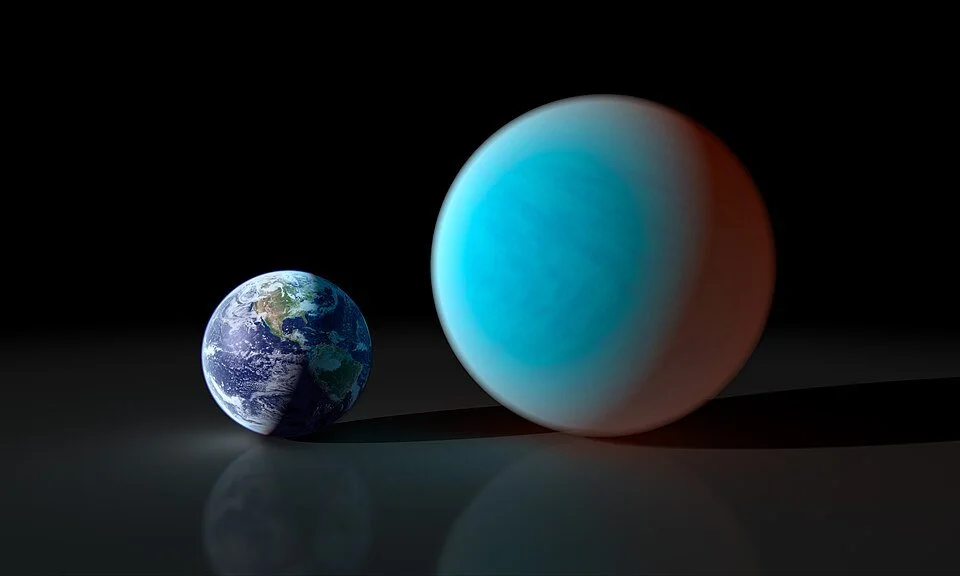
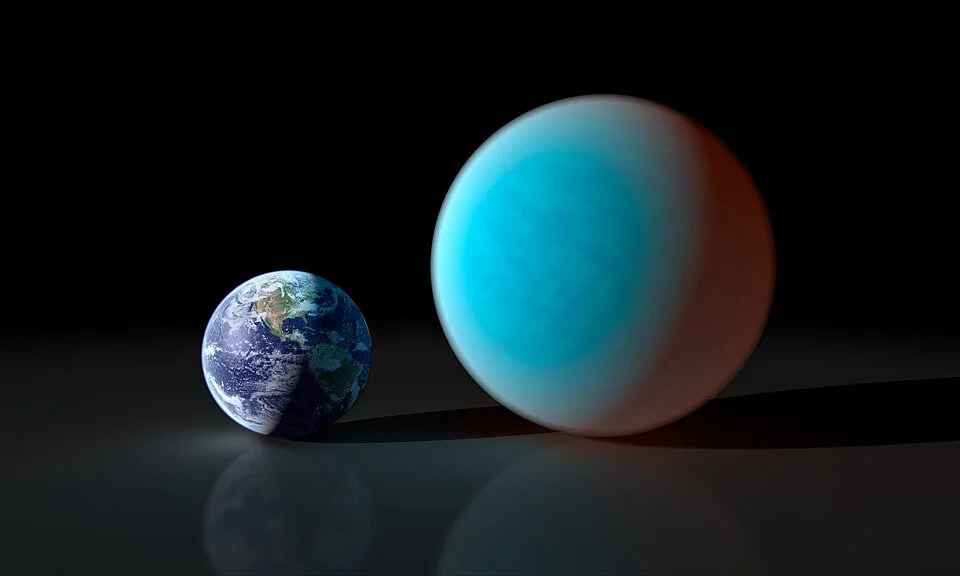
Erid is a huge rocky planet, similar to this real exoplanet 55 Cancri E.

Image credit: https://commons.wikimedia.org/wiki/File:Earth_and_Super-Earth.jpg

That’s no moon…

Erid is described by the author in his supplementary document as a high-gravity rocky planet (around 2 G’s of surface gravity) with a very thick atmosphere of 28 times the pressure of Earth’s, primarily made of Ammonia. Despite the surface temperature being over 200 degrees Celsius (Around 400 degrees Fahrenheit), hotter than an oven, liquid water still exists in abundance on the surface due to the thick atmosphere causing enormous amounts of pressure that keeps it in a liquid state. Erid also has a strong magnetic field for a rocky planet, over 25 times stronger than Earth’s. Combined with the atmosphere, this prevents any kind of radiation coming from space from reaching the surface, and so the entire surface of the planet is shrouded in pitch-black darkness. This gives us the framework for our speculative ecosystem. We’ll start from the base of the food-web and work our way up.

How could life exist in total darkness?

First of all, life needs energy to survive, no matter what kind of form it’s in. On Earth, most of surface life’s energy comes from the Sun, in the form of heat and solar radiation. However, we just established that there is no sunlight on the surface of Erid, so where does the energy for the creatures come from? Well, as you go high up into the atmosphere, the air gets thinner, and there is a lot more solar energy. Andy Weir’s document detailing Eridian biology describes “airborne microbes that live in the higher parts of the atmosphere. They absorb sunlight and consume the gasses in the air to multiply.” These microbes live high in the clouds and provide fuel for larger airborne animals that then die and come down to the surface. This makes up the foundation for the surface ecosystem energy cycle, and is similar to how the deep ocean food web exists on Earth.

Alien not-plants

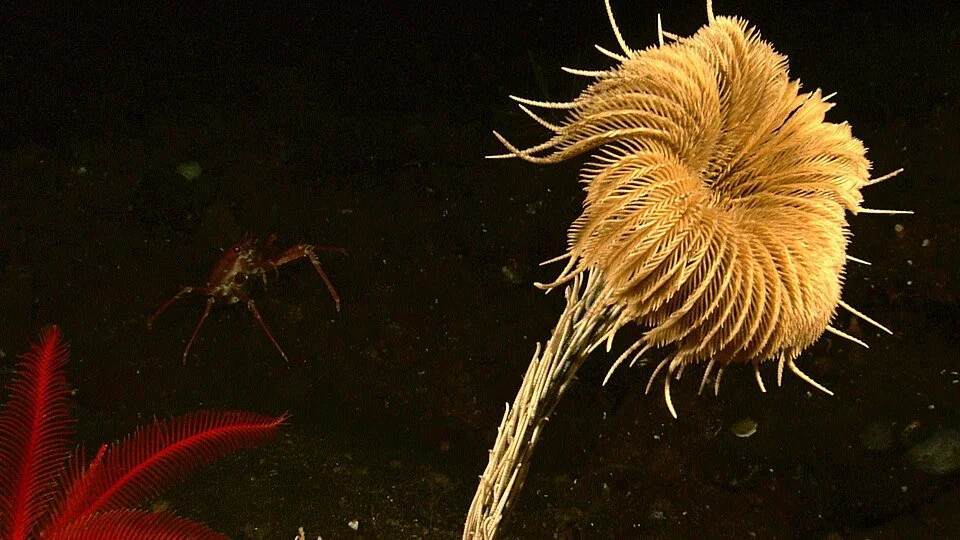
On Earth, the bulk of producers (creatures that provide sustenance for many other animals) on land are plants. Unfortunately, photosynthesis is impossible on the surface of Erid since there’s no sunlight. So, all producers will have to rely on the energy from the falling atmospheric organic matter instead. A good example of plant-like creatures that do this on Earth are crinoids. These stationary animals use frond-like appendages to sweep up passing organic matter to feed on. A lot of species on Erid would probably use a similar strategy due to the abundant atmospheric life. These crinoid-like aliens could grow to large sizes, rivalling trees on Earth, their tentacles sweeping through the air like palm fronds. However, at some point, the high surface gravity of Erid would make it hard to keep bodily circulation going at huge sizes, so they might not reach the size level of Earth’s biggest trees.

Sessile marine deep-sea animals like Crinoids are good examples of what “vegetation” could look like on Erid.
Image credit: https://commons.wikimedia.org/wiki/File%3AExpl5406.jpg

Why is everyone turning into crabs?

Now we’re getting to the fun part: actually moving animals. The possibilities here are almost endless, and this blog would be unbelievably long if we explored all of them. So, we’ll focus on a couple of body plans and behaviors that some of the more common animals might have.

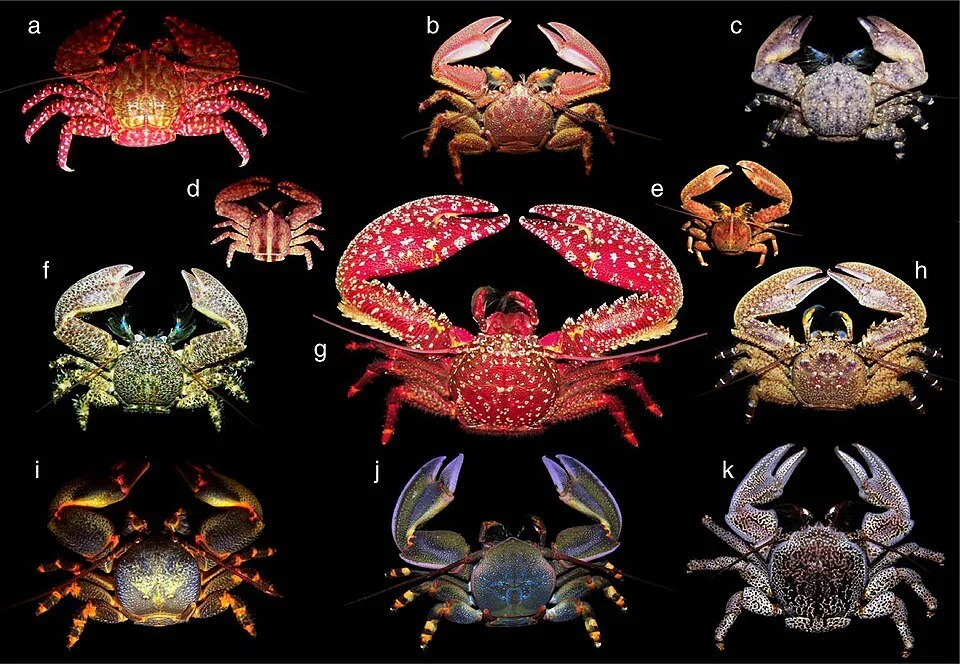
Eridians like Rocky are radially symmetric, meaning their body is symmetrical on more sides than 2. A lot of other animals on Erid would likely share this symmetry due to shared ancestry. The crab-like Eridian body plan is also very versatile, and could potentially fill many niches. So it’s probable that many of the other species on Erid would look somewhat similar to Rocky’s. Even on Earth, many lineages have independently evolved crab-like bodies; it’s an entire phenomenon called “Carcinization”. The Eridian forms could have extremely diverse niches, anything from small arboreal species with developed climbing limbs to large browsers that use long limbs to grab xeno-crinoid fronds from high up. Large predators could resemble massive, eyeless coconut crabs, with huge claws that work like nutcrackers.

Despite these Porcelain Crabs (Porcellanidae) looking like run-of-the-mill crabs, they are not closely related to true crabs (Brachyura). The armored body and pinchy claws are just too versatile for a lineage to pass up!

Image credit: https://commons.wikimedia.org/wiki/File:South_eastern_Pacific_species_of_Petrolisthes,_Allopetrolisthes,_and_Liopetrolisthes_(Porcellanidae).jpg

Apex Species

Finally, at the top of the Eridian food chain, we have the apex species. Andy Weir, in his document, has said that the Eridians (Rocky’s species specifically) are the “apex predators of the land ecology.” Due to their technological prowess, this is pretty understandable. However, I do wonder what place the Eridians had on the food chain before their rise to civilization. Their relatively small hands aren’t very suited for bringing down large prey, so they probably ate smaller prey items that they could easily process with their hands before they developed tools. It’s a remarkably similar history to our own: humans aren’t exactly suited to tackle a large antelope with our bare hands, and before we harnessed the mighty rock, we definitely weren’t at the top of the food chain. It’s yet another connection that allows us to relate to the Eridians like Rocky.

Closing Remarks

All in all, the Eridian ecosystem is one that anyone could speculate on for hours and hours. What weird alien creatures do you think could live on this fictional planet? Comment down below!

Cyborg Scuba Roaches: The Future of Aquatic Robotics?

Imagine being trapped under the rubble of a collapsed building after a flash flood, with wet concrete, wood, and all kinds of debris blocking every direction, with only tiny gaps in between the mountain of jagged objects leading to the outside world. 

You cry out for help, hoping for anyone to find you. Eventually, you finally see something climb inside the rubble for you, and it's a... cyborg cockroach with a scuba suit?

Unbeknownst to you, this rescue insect could potentially be your saving grace.

Researchers in Singapore have published a study detailing how they have developed diving suits for cyborg cockroaches for potential use in search-and-rescue missions that involve tight, water-filled spaces that humans cannot access, as well as other precise aquatic applications like pipe inspection. 

It sounds like something from the video game Half-Life 2, and it’s quite interesting when you break it down.

Cyborg insect technology has been a key point of scientific research for many years now; as opposed to traditional robot machinery, insects don't need huge batteries and are very flexible. 

However, there is one caveat that limits their potential use cases: Most insects only breathe air with a complex respiratory system, which we'll talk about soon, and this has limited many of their potential applications for exploration in aquatic or semi-aquatic environments... until now.

The species of cockroach specifically used for the design in this study was the Madagascar Hissing Cockroach, a.k.a. Gromphadorhina portentosa

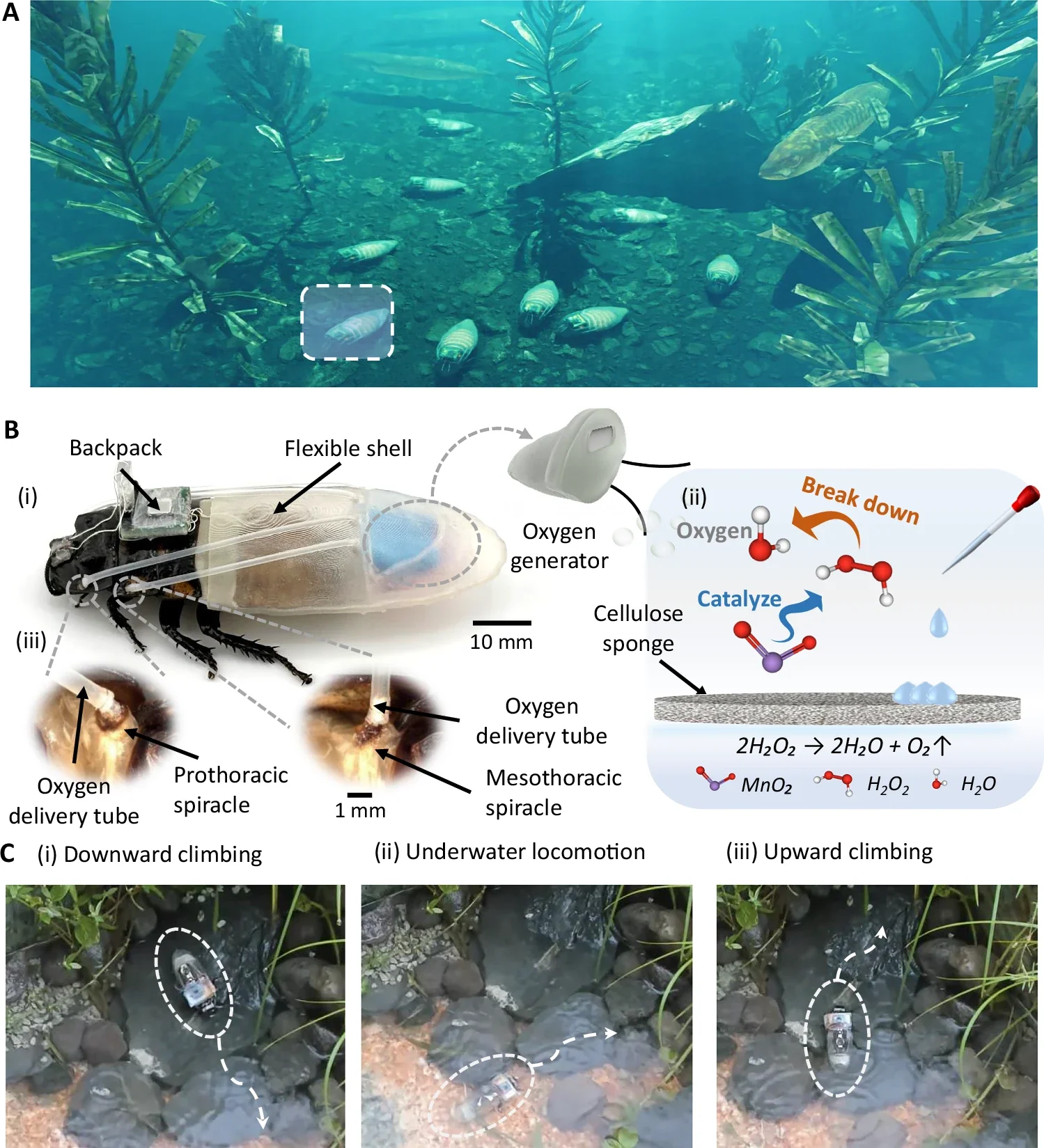
This insect breathes through a system of spiracles, which are essentially holes on its body that allow air to directly interact with the insect's tissues, on the sides of its thorax, divided into the prothoracic (front thoracic segment) and mesothoracic (back thoracic segment) spiracles. 

In order to be used as an aquatic exploration biological robot, it needed to be fitted with some specialized hardware that allowed it to operate underwater. And the researchers of this study have done just that.

How were the roaches turned into cyborgs?

G. portentosa individuals used in this study were fitted with a backpack unit that had wireless communication and the ability to control the roaches' movements via pulses of electrical signals, essentially making them RC roaches.

In addition to the backpack, they were given a flexible resin diving suit that enclosed their abdomen with a 3D-printed oxygen generator inside it. This oxygen generator used a manganese dioxide catalyst to speed up the decomposition of liquid hydrogen peroxide. 

The resulting decomposition reaction released oxygen, which was then supplied to the roaches through silicone tubes that were attached to the roaches' spiracles. The tubes had to be designed differently for both the prothoracic and mesothoracic spiracles because of their anatomical differences. However, when the design was put to use, the roaches were able to remain active underwater for up to a whopping three hours.

How useful is this?

During the testing phase, the cyborg scuba roaches were able to squeeze through tiny gaps two centimeters tall while underwater and make it to the other side. This makes an interesting case for future aquatic exploration using cyborg insects.

Thoughts and retrospective:

The concept of cyborgs actually being real is pretty mind-boggling, especially ones that could potentially be used to save many lives. 

Questions to consider: 

  • What is the ethical dilemma of using a living creature as a robot against its will? 

  • Is the cockroach aware that it's being controlled? 

  • Will this technology eventually evolve to be used for more complex organisms, potentially even humans? 

The implications of these are pretty existential and a little scary. 

As of now, these cyborg scuba roaches are without a doubt a technological and biological breakthrough, one that has given an unassuming little bug a big responsibility.

Share your thoughts in the comments!

Image credit: Adapted from Fan Z., Kai K., Song K., et al., Underwater Suit-Wearing Cyborg Insect Capable of Hours-Long Diving and Terra-Aqua Travel, Nature Communications (2026), licensed under CC BY 4.0.

Original Article: https://www.nature.com/articles/s41467-026-74235-1

License: https://creativecommons.org/licenses/by/4.0/

New: The launch of Dove Labs!

We are proud to announce a new division at Purpose Nation: Dove Labs!


Dove Labs will be focused on the connection between animals, nature, and humanity by publishing insightful blogs, stimulating videos, and engaging social media. We’ll also be interviewing experts in fields like robotics, genetics, biology, and more.

We’ve just published our first blog article and look forward to your comments and input.

Look for more coming soon! And let us know if there are topics you’d like to learn more about.