
nature

Remembering Trilobites: A 270 Million Year Saga

One of the most successful dynasties in all of Earth’s history is one not filled with serrated teeth, scales, or towering giant reptiles, but with unassuming little sea-bugs.

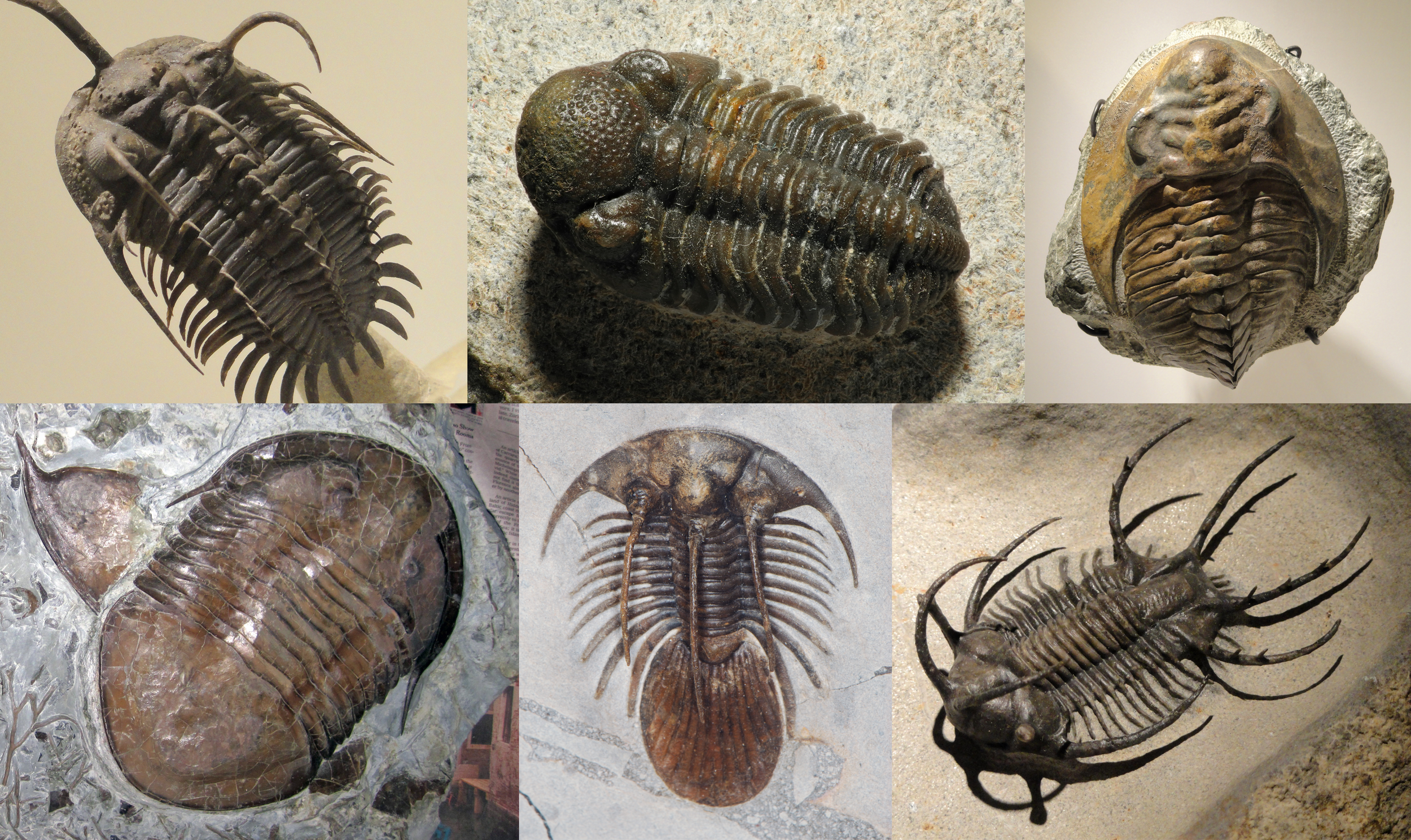
Trilobites are one of the most well-known groups of animals in the fossil record. This is because of their huge diversity, longevity, and because their shells are made of minerals, making them easily fossilized. They lived for 270 million years, a timescale far beyond our comprehension, and over 22,000 species are known. Today, we’ll be talking about the long history of these animals, what led to their slow downfall, and the many things that we learn from them to help us.

Rise and Fall of a Dynasty
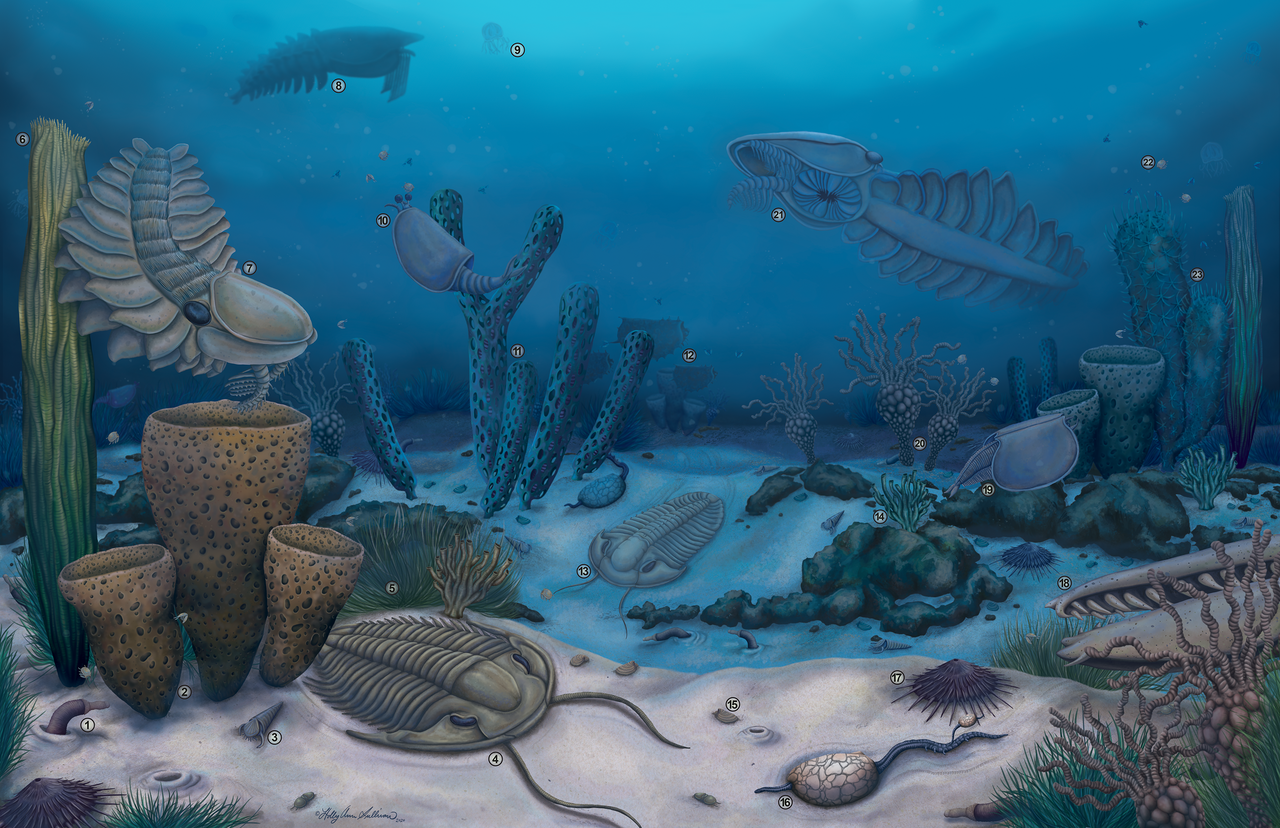
Trilobites diversified in the Cambrian Period, as depicted in this reconstruction with various other Cambrian animals.

Image credit: Holly Sullivan, CC BY 4.0

Trilobites first appeared in the Cambrian Explosion over 538 million years ago, one of the most influential events in Earth’s history [1]. This is the time in the fossil record when complex animal life kickstarted its diversity, and large-scale ecosystems spread across the oceans.

During the Cambrian, trilobites were mostly benthic (living on the bottom of the seabed), but in the following time periods, they diversified into many other niches. Their shells developed elaborate structures like horns, rays, ribs, and other fascinating patterns. Some swam freely in the open ocean, and some even became planktonic [1]. There were so many variations that this blog would be unreasonably long if we discussed many of them in detail.

Unfortunately, their diversity became limited during the latter half of their time on Earth due to several large geologic events, such as a major ice age. The nail in the coffin came from the Permian Mass Extinction, also known as the Great Dying. This was the most catastrophic extinction event in prehistory, and they were unfortunate enough to be a part of it [1]. And so, the age of the Trilobites finally came to an end. However, their legacy remains in their fossils, and they still help us today.

Mummified Time Capsules

Trilobites were so common in the time periods that they lived in that they are used by geologists as Index Fossils. If geologists are surveying a rock formation and they find a trilobite fossil, they can immediately know that the rock formation is dated to one of the periods that trilobites lived in, saving a lot of time [2].

Bug-Eyed Cameras

The eyes of trilobites are very unique and some of the most studied of any extinct animal. Their eyes, like other parts of their bodies, were made of minerals, which allowed them to be exceptionally well-preserved as fossils.
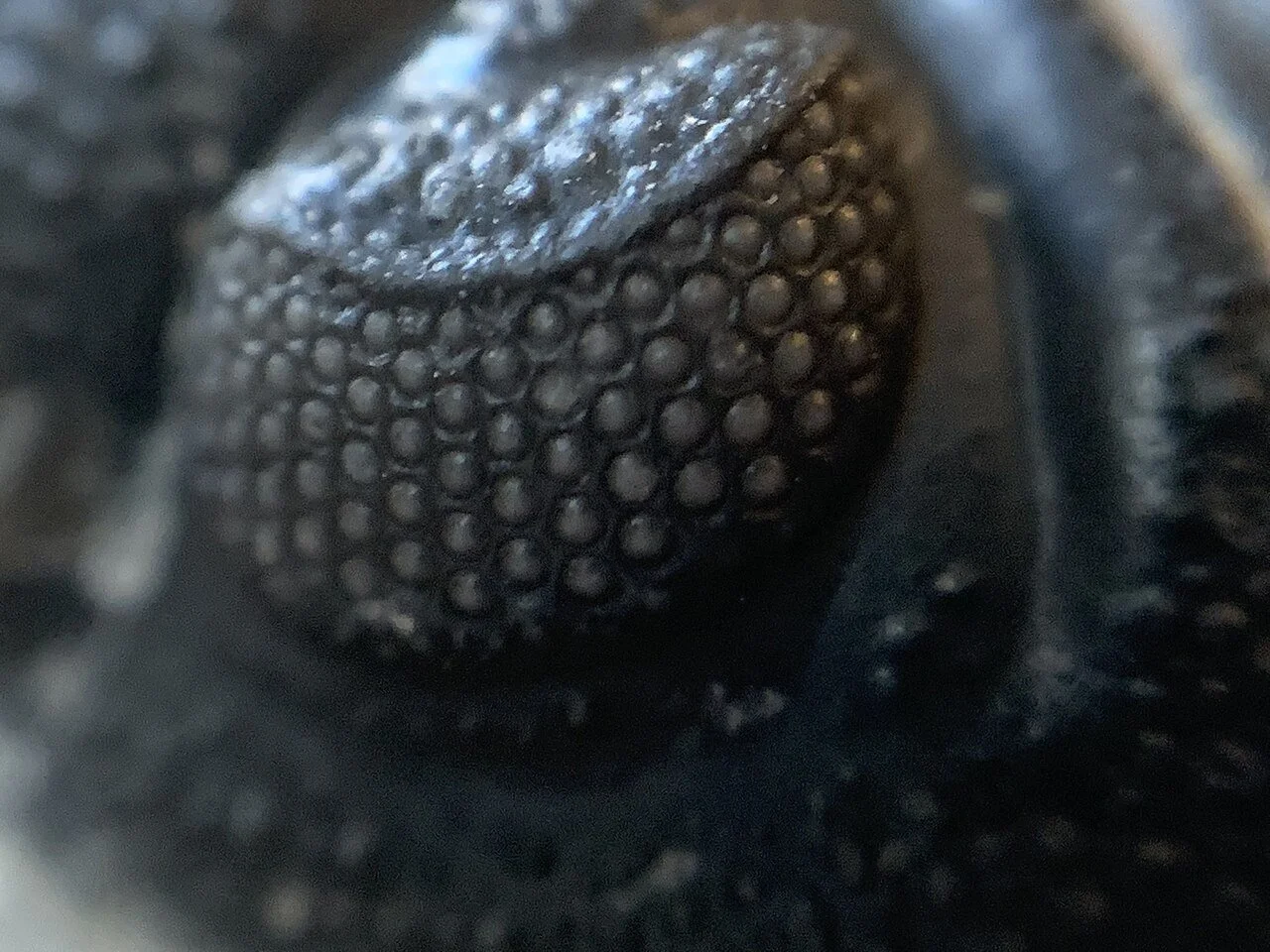
The Compound Eye of a Trilobite, made of many individual calcite lenses.

Image credit: RealGatba, CC BY-SA 4.0

One species had eyes that were remarkably well-suited for viewing objects at close and far distances at the same time [3]. A paper published in Nature Communications in 2022 detailed how the eyes of trilobites were used to design a bifocal lens capable of recording depth-of-field from a range of centimeters all the way up to kilometers, an extraordinary feat of biotechnology. It’s quite probable that trilobites will help advance the future of imaging systems [3].

Warnings from the Dead

The fact that such an enormous and successful group of animals vanished from the face of the Earth reminds us to be mindful of both our own longevity and how quickly things can turn in our lives. Even in death, these little spiky sea Roomba’s teach us to be grateful for every day we have and to leave a legacy for the next generation to remember.

Cyborg Scuba Roaches: The Future of Aquatic Robotics?

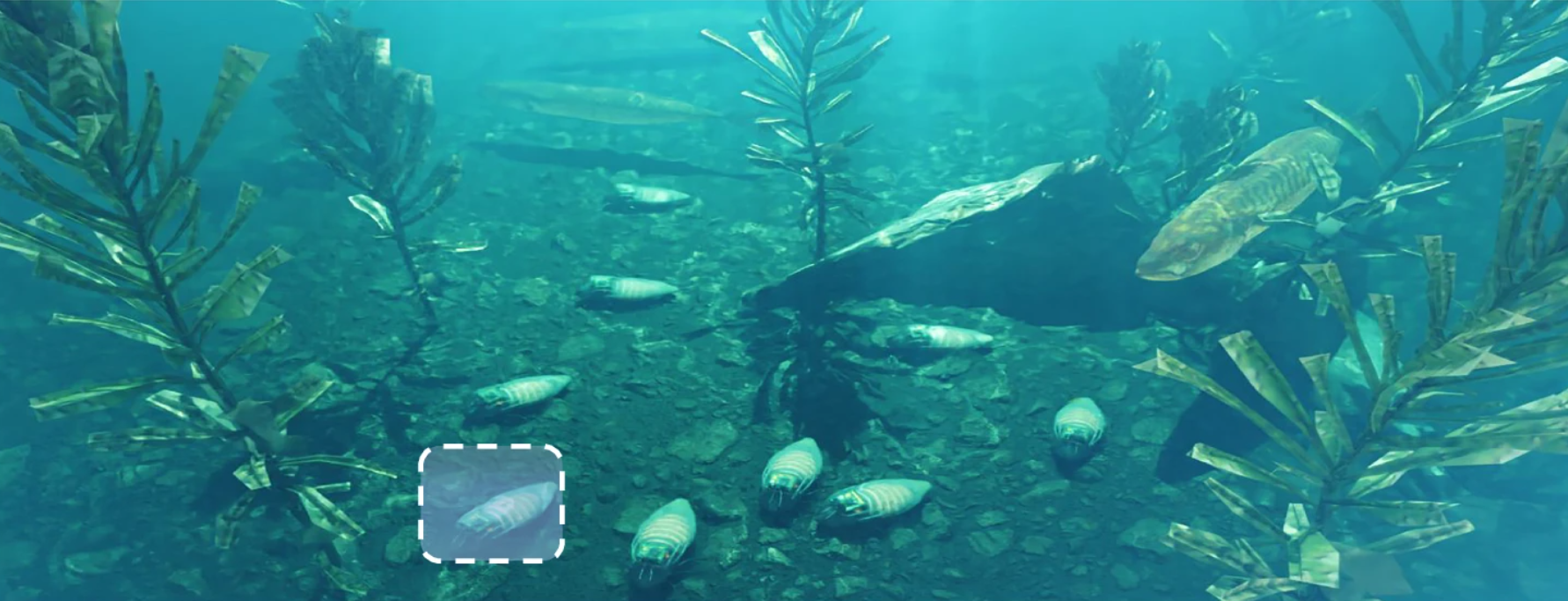
Imagine being trapped under the rubble of a collapsed building after a flash flood, with wet concrete, wood, and all kinds of debris blocking every direction, with only tiny gaps in between the mountain of jagged objects leading to the outside world. 

You cry out for help, hoping for anyone to find you. Eventually, you finally see something climb inside the rubble for you, and it's a... cyborg cockroach with a scuba suit?

Unbeknownst to you, this rescue insect could potentially be your saving grace.

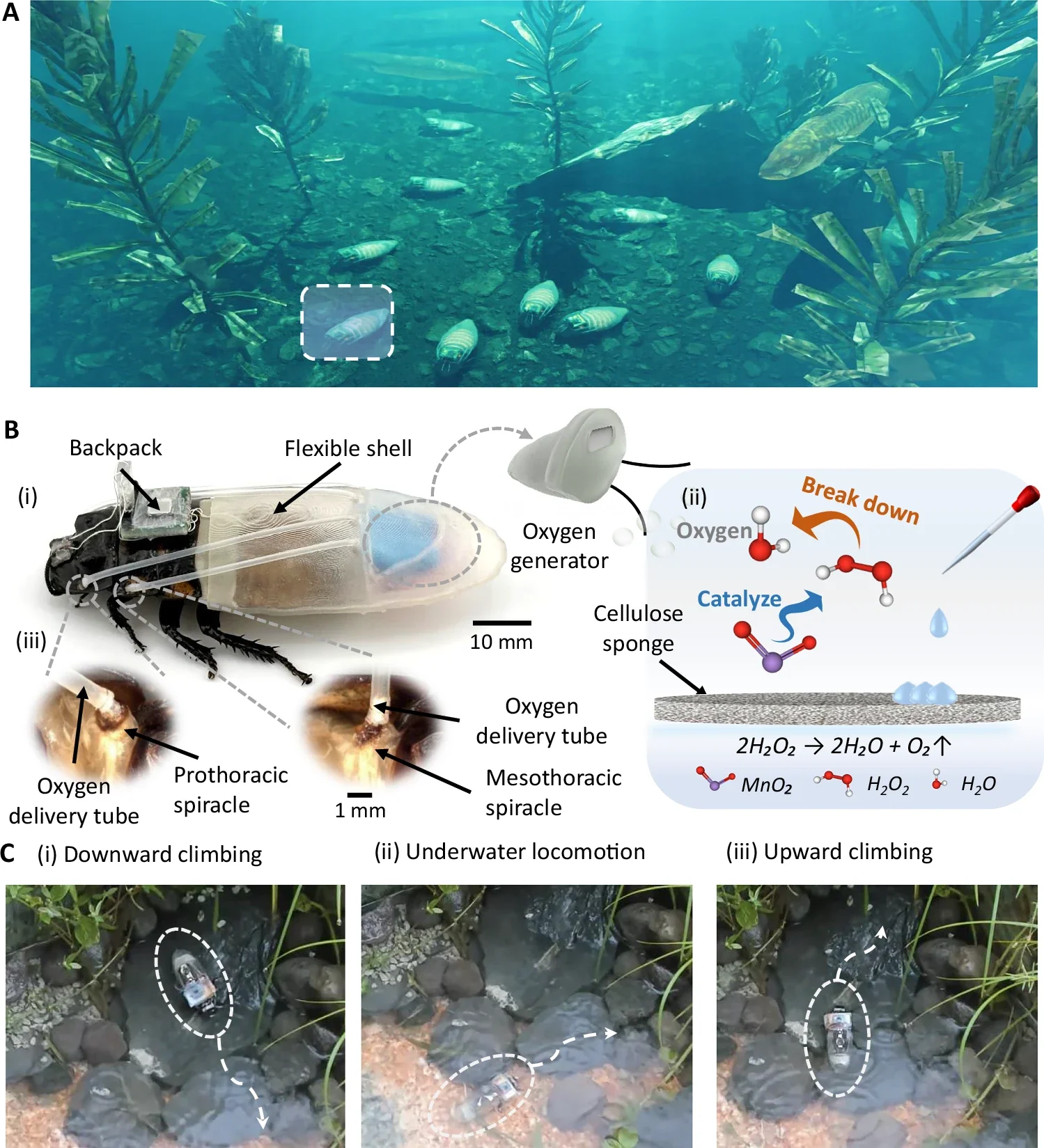
Researchers in Singapore have published a study detailing how they have developed diving suits for cyborg cockroaches for potential use in search-and-rescue missions that involve tight, water-filled spaces that humans cannot access, as well as other precise aquatic applications like pipe inspection. 

It sounds like something from the video game Half-Life 2, and it’s quite interesting when you break it down.

Cyborg insect technology has been a key point of scientific research for many years now; as opposed to traditional robot machinery, insects don't need huge batteries and are very flexible. 

However, there is one caveat that limits their potential use cases: Most insects only breathe air with a complex respiratory system, which we'll talk about soon, and this has limited many of their potential applications for exploration in aquatic or semi-aquatic environments... until now.

The species of cockroach specifically used for the design in this study was the Madagascar Hissing Cockroach, a.k.a. Gromphadorhina portentosa

This insect breathes through a system of spiracles, which are essentially holes on its body that allow air to directly interact with the insect's tissues, on the sides of its thorax, divided into the prothoracic (front thoracic segment) and mesothoracic (back thoracic segment) spiracles. 

In order to be used as an aquatic exploration biological robot, it needed to be fitted with some specialized hardware that allowed it to operate underwater. And the researchers of this study have done just that.

How were the roaches turned into cyborgs?

G. portentosa individuals used in this study were fitted with a backpack unit that had wireless communication and the ability to control the roaches' movements via pulses of electrical signals, essentially making them RC roaches.

In addition to the backpack, they were given a flexible resin diving suit that enclosed their abdomen with a 3D-printed oxygen generator inside it. This oxygen generator used a manganese dioxide catalyst to speed up the decomposition of liquid hydrogen peroxide. 

The resulting decomposition reaction released oxygen, which was then supplied to the roaches through silicone tubes that were attached to the roaches' spiracles. The tubes had to be designed differently for both the prothoracic and mesothoracic spiracles because of their anatomical differences. However, when the design was put to use, the roaches were able to remain active underwater for up to a whopping three hours.

How useful is this?

During the testing phase, the cyborg scuba roaches were able to squeeze through tiny gaps two centimeters tall while underwater and make it to the other side. This makes an interesting case for future aquatic exploration using cyborg insects.

Thoughts and retrospective:

The concept of cyborgs actually being real is pretty mind-boggling, especially ones that could potentially be used to save many lives. 

Questions to consider: 

  • What is the ethical dilemma of using a living creature as a robot against its will? 

  • Is the cockroach aware that it's being controlled? 

  • Will this technology eventually evolve to be used for more complex organisms, potentially even humans? 

The implications of these are pretty existential and a little scary. 

As of now, these cyborg scuba roaches are without a doubt a technological and biological breakthrough, one that has given an unassuming little bug a big responsibility.

Share your thoughts in the comments!

Image credit: Adapted from Fan Z., Kai K., Song K., et al., Underwater Suit-Wearing Cyborg Insect Capable of Hours-Long Diving and Terra-Aqua Travel, Nature Communications (2026), licensed under CC BY 4.0.

Original Article: https://www.nature.com/articles/s41467-026-74235-1

License: https://creativecommons.org/licenses/by/4.0/